
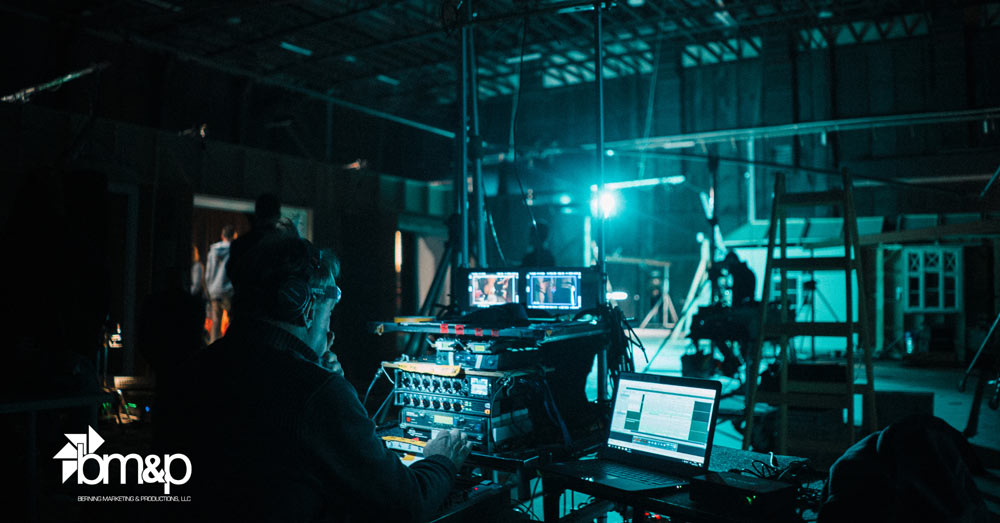
A professional video production can be one of the most valuable investments a business makes in its marketing. But there is one common mistake that can make that investment work much harder than it needs to: Creating one video and stopping there. A well-planned video production shoot can generate far more than a single commercial, corporate video or brand film. With the right strategy, one production can create a library of content for your website, social media, digital advertising, television, YouTube, email marketing, sales presentations and more. The key is to think about content production before the cameras start rolling, not after the final edit is delivered. At Berning Marketing & Production, video production is part of a larger marketing and creative process. From concept development and production through professional post-production, the goal is to create content that can continue working for a business long after the shoot is over.
Start With the Content You Actually Need
Before scheduling a production, ask a simple question: What do we need this video to accomplish? The answer should determine what gets filmed. For example, a business might need:
- A 30-second television commercial
- A 15-second digital advertisement
- A corporate overview video
- Customer testimonial videos
- Social media Reels
- YouTube Shorts
- Website videos
- Employee recruiting videos
- Educational videos
- Product demonstrations
- Frequently asked question videos
- Behind-the-scenes content
- Photography
- Short clips for paid advertising
Instead of treating those as separate productions, a strategic production plan can identify opportunities to capture multiple assets during the same shoot. That can mean more usable content without requiring multiple production days.
Build a Video Content Ecosystem
The traditional approach to video production often looks like this:
Shoot → Edit → Deliver → Done.
A modern approach looks more like this:
Strategy → Shoot → Master Video → Short-Form Content → Social → Website → Advertising → Search → Ongoing Content
The difference is significant. Your original footage becomes the source material for an entire content ecosystem. For example, imagine a company is producing a five-minute corporate brand video. During that same production, the team could capture:
- The primary corporate video
- Several employee interviews
- Customer testimonials
- Product demonstrations
- B-roll
- Facility footage
- Leadership messages
- Short educational segments
- Vertical social content
- Still photography
- Behind-the-scenes footage
The original production becomes a content library rather than a single finished file.
Shoot for Multiple Formats
One of the biggest opportunities in modern video production is planning for different screen formats. A traditional television commercial may be produced horizontally. But social media frequently requires vertical content. That means production teams need to think about framing, composition and usable footage before the shoot begins. YouTube, Instagram, Facebook, websites and digital advertising can all have different creative requirements. YouTube's official YouTube Shorts guidance explains the platform's current requirements for Shorts, illustrating why production teams need to consider the destination of content before filming. The point isn't that every video needs to be created vertically. It's that your production team should know where the content will be used before deciding how it should be filmed.
Capture More Than the Hero Video
Every production should have a primary objective. Maybe it's a television commercial. Maybe it's a corporate brand film. Maybe it's a product launch. That primary piece is the hero content. But while you're already on location, there are opportunities to capture supporting content.
Executive Interviews
Leadership interviews can become:
- Company overview videos
- LinkedIn content
- Recruiting videos
- Industry commentary
- Short educational clips
Customer Testimonials
A single customer interview can potentially become:
- A full testimonial
- Several short social clips
- Website content
- Paid advertising
- Sales presentation content
B-Roll
B-roll can be used throughout future marketing. Capture:
- Employees working
- Products being used
- Customers interacting
- Equipment
- Facilities
- Manufacturing
- Services being performed
- Community involvement
- Company culture
Good B-roll can extend the usefulness of a production long after the original project is finished.